Not a Power Cut, But the Internet: Red Sea Cable Damage Raises Global Concerns
In recent weeks, a major disruption beneath the waters of the Red Sea has drawn global attention. Several submarine internet cables—those fiber-optic lifelines that carry data between continents—have been damaged, slowing down connectivity across parts of the Middle East, South Asia, and even beyond.
At first glance, it seems like just another technical issue, but experts warn that this problem is much more than a simple repair job. It touches on global politics, regional conflicts, and the vulnerability of our modern digital world.
What Actually Happened?
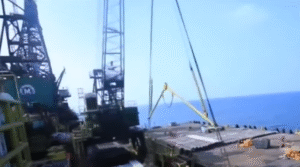
According to technical reports, multiple undersea cables running through the Red Sea were cut or damaged. These include some of the world’s most important internet arteries, such as SMW4, IMEWE, and FALCON. These cables link Europe, the Middle East, and Asia, moving an enormous volume of data across the regions every single day
Users across Saudi Arabia, the United Arab Emirates, Kuwait, Pakistan, and India experienced slower connections and widespread service interruptions.. While governments have tried to downplay the disruptions, many users and businesses reported delays in online services, video calls, and cloud-based platforms.
Even Microsoft’s Azure cloud services saw a spike in latency for some customers. Although the company quickly rerouted traffic through backup systems, the incident revealed just how fragile the internet backbone really is.
Who Is to Blame?
This is where the story becomes more complicated. Some fingers are pointing at Yemen’s Houthi rebels, who have previously threatened or been accused of targeting undersea cables. However, the Houthis deny any direct involvement, claiming that they have not attacked these infrastructures.
Still, the timing and location raise questions. The Red Sea has become a strategic hotspot, with shipping routes under threat from regional conflicts. Many analysts argue that the cable damage may not have been an accident. Although accidents such as damage from ship anchors or undersea landslides may break cables, experts warn that intentional sabotage remains a real possibility.
Why Is It So Serious?
Think of the internet as a vast network of highways. The Red Sea acts like one of the busiest routes on that map. When cables in this area are damaged, the resulting ‘traffic jam’ disrupts not only regional users but also companies and services around the globe
Economic Impact: Reduced internet speed causes delays in online payments, digital shopping, and international business activities.
Political Risk: If sabotage is confirmed, it raises tensions in an already unstable region.
Everyday Life: For ordinary people, it means interrupted video calls, slower apps, and streaming problems—but at scale, it also hurts hospitals, schools, and government services.
What Can Be Done?
Experts suggest three key steps:
Fast Repairs: Specialized ships and engineers must quickly locate the damaged sections and fix them. This is expensive and often takes weeks.
More Redundancy: Countries and tech giants need to invest in backup routes so that one cut cable does not cripple entire regions.
Security Monitoring: With rising tensions, governments need stronger surveillance to protect critical infrastructure from sabotage or military conflict.
Beyond Technology: The Geopolitical Shadow
This incident highlights a bigger truth: the internet is not just technology—it is geopolitics. Whoever controls the undersea cables holds tremendous power. That’s why conflicts in the Middle East now extend beyond land and sea battles into the invisible world of data flows.
As we move deeper into a digital age, this kind of event may become more frequent. It’s not only about fixing cables but also about building a more secure, diverse, and resilient global network.