Sannakji: Korea’s “live octopus” dish explained in simple words
Sannakji is a famous Korean seafood dish that many travelers hear about for one reason. The small octopus pieces seem to wiggle on the plate. It looks scary at first, but there is a simple science behind it. After the octopus is cut into small pieces, the nerves in the tentacles keep reacting for a short time. That is why you see movement. People in Korea enjoy this dish for its fresh ocean taste and its unique texture. Below is a clear, friendly guide so you know exactly what it is, how it is served, where to find it, and how to eat it safely.
What exactly is sannakji?
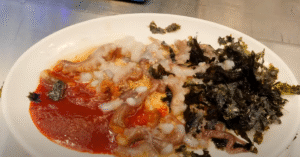
The word comes from “san” which means live or fresh, and “nakji,” a small octopus. In restaurants and seafood markets, the octopus is washed, cleaned, and cut into bite-size pieces. The cook adds sesame oil, a sprinkle of sesame seeds, a little salt, and sometimes soy sauce, minced garlic, or chopped scallions. Some places serve a dipping sauce like gochujang, which is a spicy red paste, or ssamjang, which is a mild, savory paste. The plate looks simple, but the flavor is bright and clean.
How does it taste?
The flavor is light and a little sweet, with a gentle ocean note. You will taste the sesame oil and the sauce more than the octopus itself. The main experience is the texture. It is chewy in a pleasant way, not rubbery if it is fresh. If you like sushi or other raw seafood, you may enjoy sannakji as a new kind of tasting adventure.
Where can you try it?
You can find sannakji at big seafood markets and small family restaurants in cities like Seoul, Busan, and Incheon. Famous spots include traditional markets where vendors sell fish and prepare dishes right away. Prices change by season, size, and location. Market stalls are often cheaper than sit-down restaurants. If you are new to it, going with a local friend or a guide can make the experience easier and more comfortable.
Important safety tips
Sannakji needs a bit of care when you eat it. The suction cups on the tentacles can stick to your mouth or throat if you are not careful. Follow these tips:
Take small pieces only.
Chew very well before you swallow.
Do not rush. Eat slowly and calmly.
Keep a drink near you.
If you feel any discomfort, stop right away.
Children, older adults, and anyone who has trouble swallowing should avoid this dish. Also choose a clean, busy place with good hygiene. Fresh seafood is great, but it needs careful handling.
Dietary and religious notes
For many Muslim travelers, seafood is generally considered halal. Still, check the sauces. Some sauces may include alcohol-based ingredients or other add-ons you want to avoid. If you prefer not to eat raw or moving seafood, you can ask for a fully cooked octopus dish instead. Vegetarians and vegans will need another option, since sannakji is not plant-based.
Culture and debate
For many Koreans, sannakji is part of a long tradition of eating very fresh seafood. It shows respect for the quality of the catch and the skill of the vendor. At the same time, there is ongoing debate about animal welfare and whether dishes like this should always be served. If this concerns you, you can still explore Korean seafood with cooked dishes that offer great flavor and comfort.
First-timer checklist
If you want to try sannakji once, treat it like a tasting experience, not a challenge. Here is a simple checklist:
Pick a place with strong reviews and clean prep areas.
Try to go with someone experienced with it.
Tell the server it is your first time. Ask for bite-size pieces.
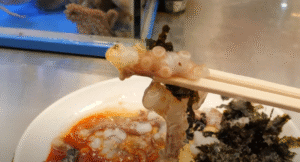
Hold a piece firmly with chopsticks, dip it lightly, and take a small bite.
Chew thoroughly. Focus on calm, steady chewing.
Keep water or tea within reach.
If you feel unsure at any step, it is perfectly fine to stop. Food should be enjoyable, not stressful.
Great alternatives if you are unsure
You can still enjoy Korea’s seafood scene without sannakji. Try these:
Nakji bokkeum: Spicy stir-fried octopus served over rice. Fully cooked and full of flavor.
Grilled squid: Tender, smoky, and easy to love.
Abalone porridge (jeonbok-juk): a soothing rice porridge made with abalone.
Sea urchin rice: Rich and creamy taste of the sea, served fresh but not moving.
These dishes give you the ocean’s freshness with less pressure.
Travel tips for seafood markets
Morning visits bring the freshest selection. Carry a bit of cash for small vendors. Ask before you take photos or videos. If you have allergies or a sensitive stomach, choose cooked dishes. Your health comes first.
Bottom line
Sannakji is a memorable part of Korean food culture. It offers a clean, fresh flavor and a special texture that some people love. If you decide to try it, choose a reputable place, take small bites, and chew well. If it becomes a new favorite, great. If not, you will still walk away with a good story and a better understanding of Korea’s rich seafood traditions. The best travel eating is about curiosity, respect, and listening to your own comfort level.